ADVERTISEMENT
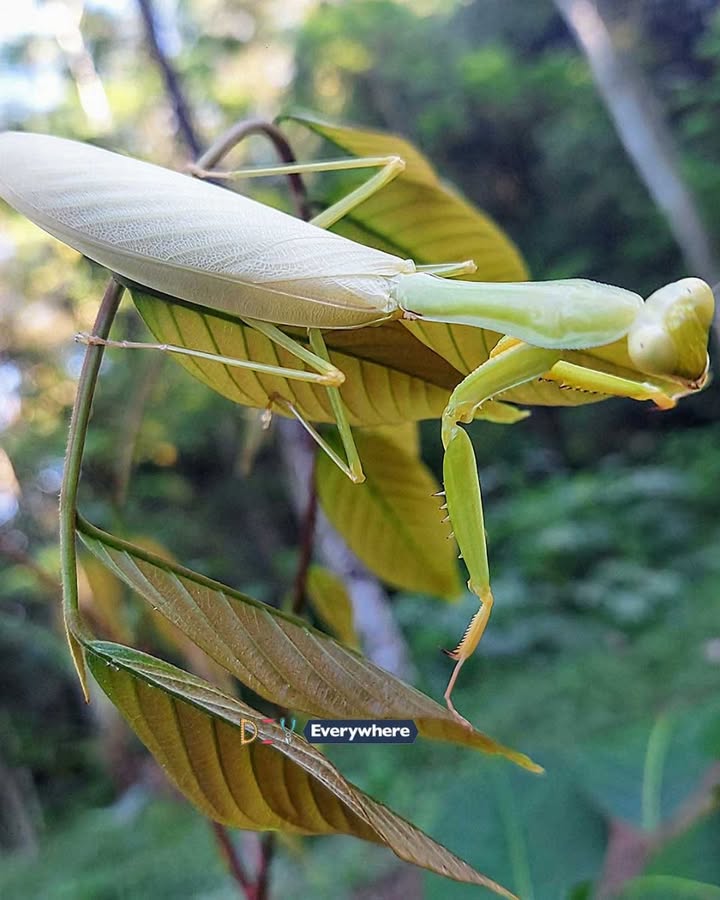
If you’ve stumbled upon a strange, alien-looking insect in your garden—with bulging eyes, folded forearms, and a slow, swiveling head tilt—you’re not alone. Many gardeners are startled the first time they spot a praying mantis.
With their lanky limbs and eerie, triangular faces, these insects might look like something out of a sci-fi movie. But before you rush to flick it away or squash it out of fear, here’s what you need to know.
1. What Is That Thing? It’s a Praying Mantis
That “creepy” creature you saw is almost certainly a member of the Mantidae family—commonly known as the praying mantis. The name comes from the way they hold their front legs in a posture that resembles prayer. But don’t be fooled by the pious appearance—those legs are actually spiked weapons used for grabbing prey in the blink of an eye.
They vary in size, color, and shape depending on the species and environment. Some are green or brown to blend into foliage; others can look like dry twigs, flowers, or even leaves. Their uncanny ability to rotate their heads (almost 180 degrees) and their large, compound eyes only add to their eerie mystique.
2. Are They Dangerous to Humans? Not Even a Little
Despite their intimidating appearance and predatory behavior, praying mantises are not harmful to humans. They don’t sting, bite (unless provoked), or carry any diseases. In fact, they’re shy by nature and prefer to stay out of your way.
If one lands on your arm, it may tickle—but that’s about as threatening as it gets. Their primary targets are smaller, more pest-like creatures… and that’s where the real value comes in.
3. They’re Your Garden’s Natural Pest Control
Praying mantises are carnivores—and voracious ones. They’ll feast on aphids, grasshoppers, beetles, flies, crickets, moths, and even wasps. In that sense, they’re a live-action alternative to pesticides. They don’t need reapplying. They don’t contaminate your soil. And they don’t charge for their services.
Think of them as mini-assassins that stalk the pests you do want gone. If you’ve ever struggled with cabbage worms, stink bugs, or leafhoppers, a mantis might be one of your best silent allies.
4. But… They’re Not Exactly Picky
Here’s the trade-off: mantises don’t discriminate between “bad” bugs and “good” bugs. While they’ll gladly eat aphids, they might also snack on butterflies, bees, or even other mantids. They’re opportunistic predators. If it moves and fits in their grasp, they’ll take a shot at it.
So if you’re actively trying to attract pollinators or foster a habitat for specific beneficial insects, a mantis or two might slightly interfere. But overall, they do far more good than harm in balancing your garden’s ecosystem.
